Why didn't the bullying stop, even though you reported it?
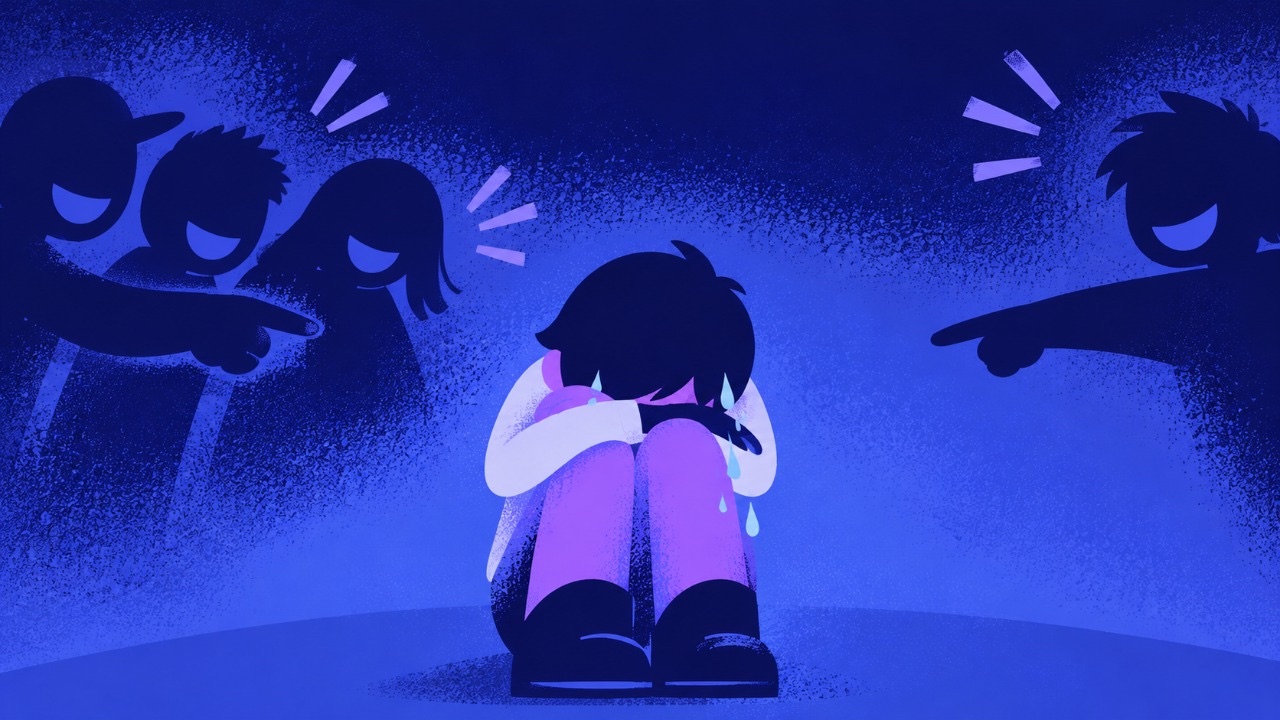
Bullying hasn't disappeared; it has simply shifted. It used to be confined to schoolyards or office corridors, but now it follows you home via your phone: through messages, group chats, and social media. The setting changes, but the experience remains the same. It makes a person feel small, frightened, and alone.
And that loneliness is the hardest part of bullying.
Why the victim is often left so alone
To an outsider, it seems simple: just tell someone, and the problem will be dealt with. In reality, speaking up is the hardest thing a victim can do.
There are several reasons for this:
The fear that the situation will escalate. Many stay silent because they believe that talking about it will only provoke the bullies further.
Shame. Victims often start to believe that the fault lies with them.
The feeling that no one can help. If previous attempts have led nowhere, the barrier to trying again grows higher every time.
A lack of words. It is especially difficult for a child to put what is happening into words, particularly when facing an adult.
Consequently, the victim carries the burden alone, often for a long time. And the longer they are left alone, the heavier the burden becomes.
Why it is so difficult for schools and workplaces to intervene
Few schools or workplaces want bullying to occur. Yet, the cycle often continues for years. Why?
The main reason is that bullying is difficult to prove. It is one person's word against another's. The victim remembers what happened, but cannot provide proof. Without evidence, it is difficult to intervene, and the matter easily goes unresolved.
Another reason is that the information is fragmented. A single nasty message or comment seems insignificant in isolation. It is only when they are viewed together, over time and repeatedly, that the pattern of bullying emerges. But usually, no one pieces them together.
A third reason is that the matter gets lost along the way. It is mentioned to a teacher in the corridor or brought up in passing to a supervisor, and then it is forgotten in the rush of daily life. No one follows up to see what happened next or to ensure the situation was actually resolved.
So, it is not that people do not want to help. It is that there has been no effective way to intervene.
How Reena operates differently from others
Most support services stop at listening. A helpline listens, a chat responds, and that is where it ends. The victim gets a moment of relief, but the situation itself does not change.
Reena is built on a different principle: listening is not enough; the matter must be moved forward.
A low threshold for speaking up. With Reena, you can share what is happening whenever you feel ready, in your own words, without the fear of a face-to-face confrontation. For many, this is an easier first step than talking to an adult.
Evidence is preserved. Reena helps compile events, messages, and images into a single timeline. This ensures that bullying is not just one person's word against another's, but a documented account.
A person takes the matter forward. Reena does not leave the situation solely within the chat. A trained expert reviews the case and escalates it to the appropriate party, such as the school or the workplace.
A shared workspace. Once the matter is escalated, a space is opened where the handling and monitoring of the case begin. The issue is not merely mentioned and forgotten; it is followed up until it is resolved.
The difference is not that Reena listens better. The difference is that Reena takes action. The victim is not left alone, and someone ensures that the matter progresses.
Why parents should use Reena to support their young people
Many parents sense that something is wrong but cannot get their child to talk. This is not because the child does not trust them. Often, they want to protect their parent from worry, or they fear the matter will become a huge issue that they cannot control.
Reena can be that low-threshold first step for a young person. A place where they can say what is happening, when they are ready. And when a young person speaks up, the matter does not just hang in the air; it gains the support of the right adult and the right process.
For the parent, Reena is not a way to monitor the child. It is a way to ensure that if something happens, the child is not left alone, and help is already standing by.